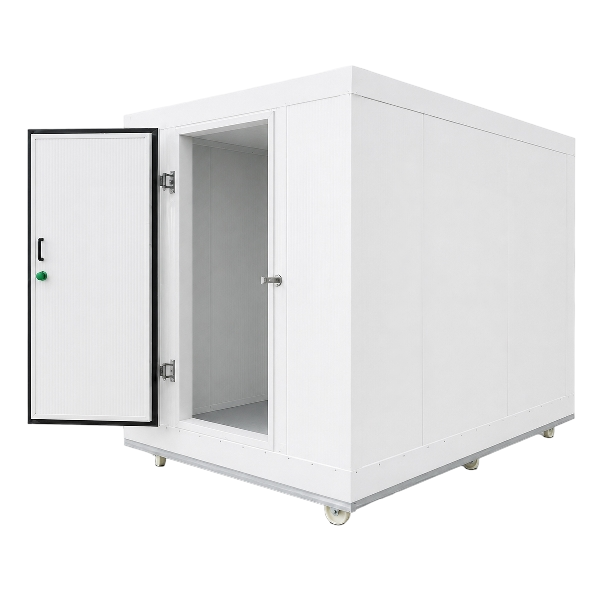

Fruit and vegetable cold storage room
Solutions

Energy Storage Solutions for Backup, Solar Integration and Distributed Energy Projects

LiFePO4 battery platforms with smart BMS, RS485 / CAN communication and project-specific inverter integration.

Describe

Business Overview

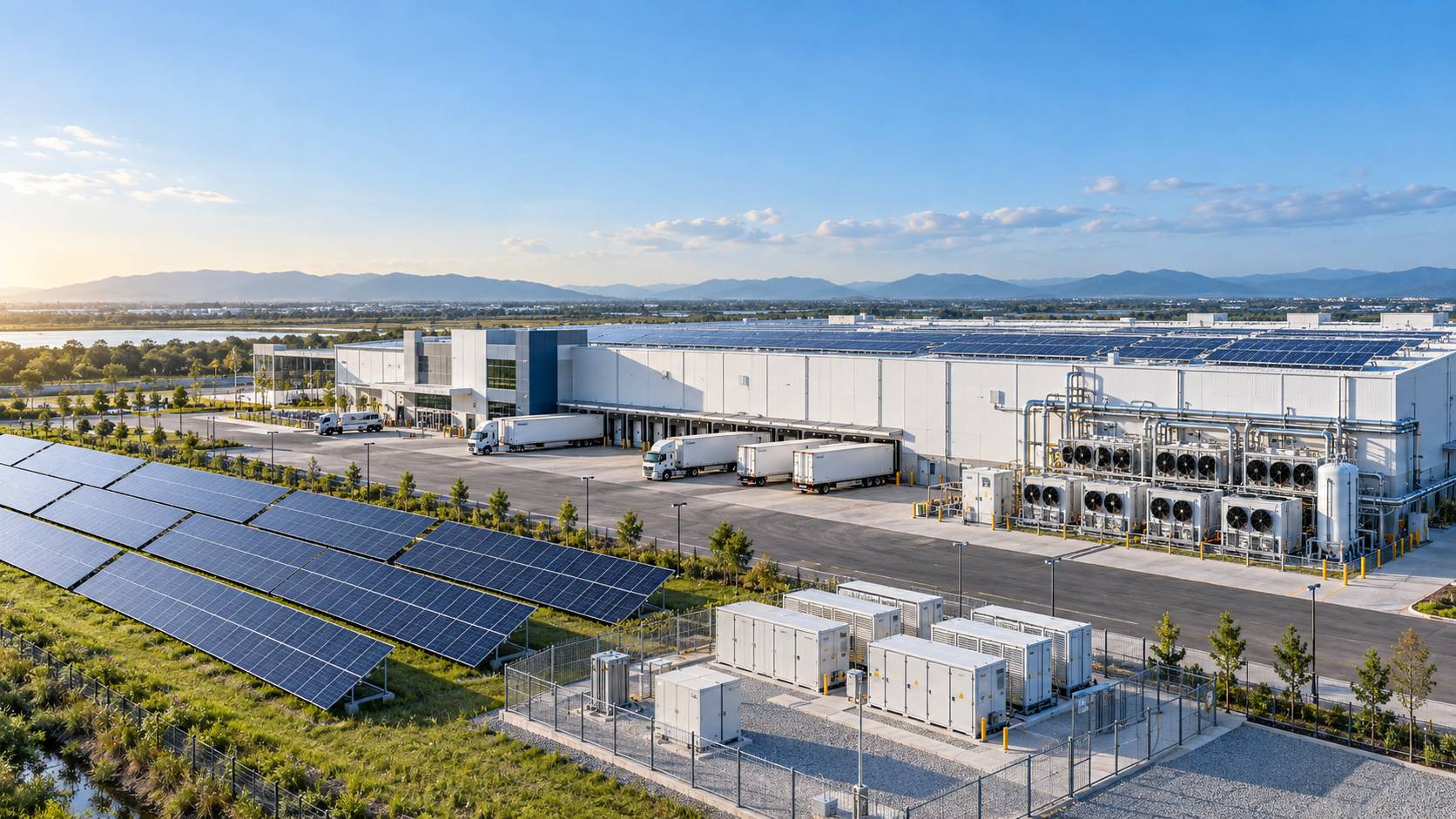
RAXLYN’s current reference energy-storage portfolio is based on low-voltage LiFePO4 battery platforms for residential and distributed-energy applications. The same project workflow can support PV integration, backup-power and selected commercial applications where the required power, capacity, inverter and control architecture are confirmed by engineering review.

Request a Quote
Meat cold storage rooms with fresh meat and chilled product
Specifications

Current Reference Storage Platform

Reference configuration for the two standard sizes. Dimensions, refrigeration capacity and electrical supply are confirmed for each project in the quotation drawing.

Reference Model Nominal Energy Battery Capacity Nominal Voltage DOD Cycle Life / Notes
ESS-05 5 kWh 100 Ah 51.2 V 90% ≥5,000 cycles; wall-mount
ESS-08 8 kWh 314 Ah 25.6 V 90% ≥5,000 cycles; compact / customizable
ESS-16R 16 kWh 314 Ah 51.2 V 90% ≥5,000 cycles; wall / floor
ESS-16H 16 kWh 314 Ah 51.2 V 90% 5,000+ cycles; operating range -20°C to +60°C
ESS-20 20 kWh 400 Ah 51.2 V 90% >5,000 cycles; A-grade LiFePO4 platform
Why Global Buyers Choose Raxlyn

Solution Categories

  • PV + Energy Storage

    Battery storage for solar self-consumption, day/night energy shifting and backup.

  • Backup Power

    Energy storage for selected critical loads, remote facilities and weak-grid operating conditions.

  • Distributed Energy Storage

    Low-voltage modular storage for residential, light-commercial and distributed applications.

  • Containerized / Larger Project Storage

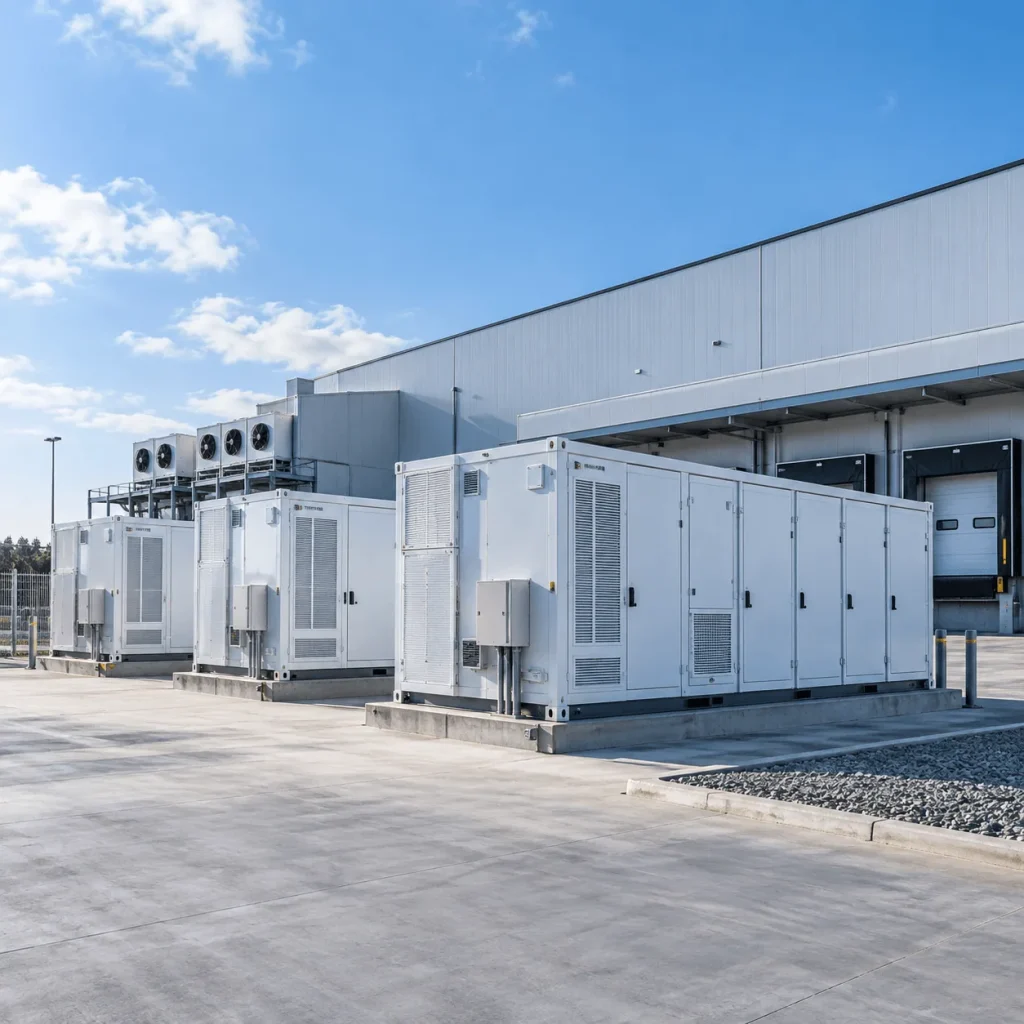
    Project category for larger integrated systems; exact system architecture and product platform must be confirmed before publication or quotation.

  • Commercial & Industrial Projects

    Project-specific storage configuration subject to required kW, kWh, PCS/inverter, controls and installation conditions.

  • Microgrid Applications

    PV + ESS and other multi-source configurations for remote or integrated-energy projects.

Why Raxlyn

What We Need From the Buyer

  • Required backup or operating power (kW)

  • Required usable energy capacity (kWh)

  • Load profile and daily energy consumption

  • Required backup duration

  • PV system size and charging source

  • Grid conditions and inverter / PCS model

  • Installation environment, temperature and enclosure requirements

FAQ

Frequently Asked Questions

  • What energy-storage capacities are available in the current portfolio?

    The supplied residential and distributed storage portfolio includes 5 kWh, 8 kWh, 16 kWh and 20 kWh configurations. The 16 kWh range includes both a residential mainline configuration and a higher-power application version.

  • What battery chemistry and nominal voltages are used?

    The supplied platform uses A-grade LiFePO4 prismatic cells. Reference nominal voltages include 51.2 V for the 5 kWh, 16 kWh and 20 kWh configurations, and 25.6 V for the 8 kWh configuration.

  • What depth of discharge and cycle life are listed?

    The supplied storage configurations are listed at 90% depth of discharge (DOD). The 5 kWh, 8 kWh and 16 kWh models are specified at 5,000 or more cycles, while the 20 kWh reference configuration is listed at more than 5,000 cycles. Final lifecycle performance depends on operating conditions and the approved battery specification.

  • How does the storage system communicate with inverters and controls?

    The common platform includes a smart BMS with real-time monitoring and LCD status display, plus RS485 / CAN communication. Inverter integration must be verified against the exact inverter model, voltage window, current limits and BMS communication protocol before order release.

  • Can the system be used in demanding temperature environments?

    A 16 kWh high-power reference configuration is listed for an operating range of -20°C to +60°C. For high-temperature, low-temperature or special outdoor deployments, enclosure design, thermal management and charge/discharge limits should be confirmed by engineering review.
Start Your Project

Tell Us What You Store.
We'll Engineer the Cold.

Send your storage temperature, room size and location — our engineers reply with a configured solution and quotation within 24 hours.

  • Free Equipment Selection
  • Custom System Design
  • Response Within 24 h