Supermarket & Retail Kitchens

Box Type Air Cooled Condenser for Industrial Refrigeration

  • Fresh
  • Durable
  • Customizable

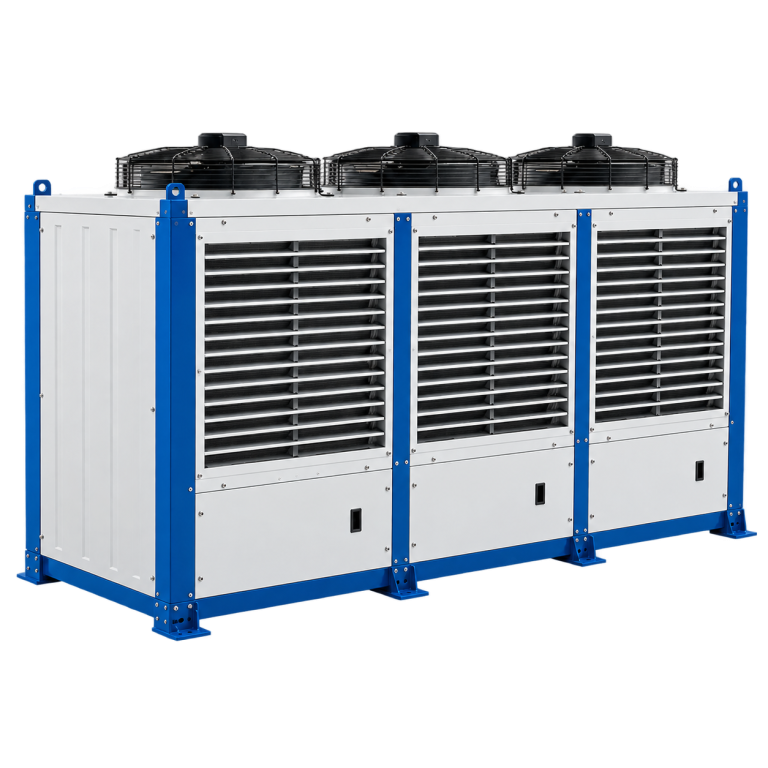
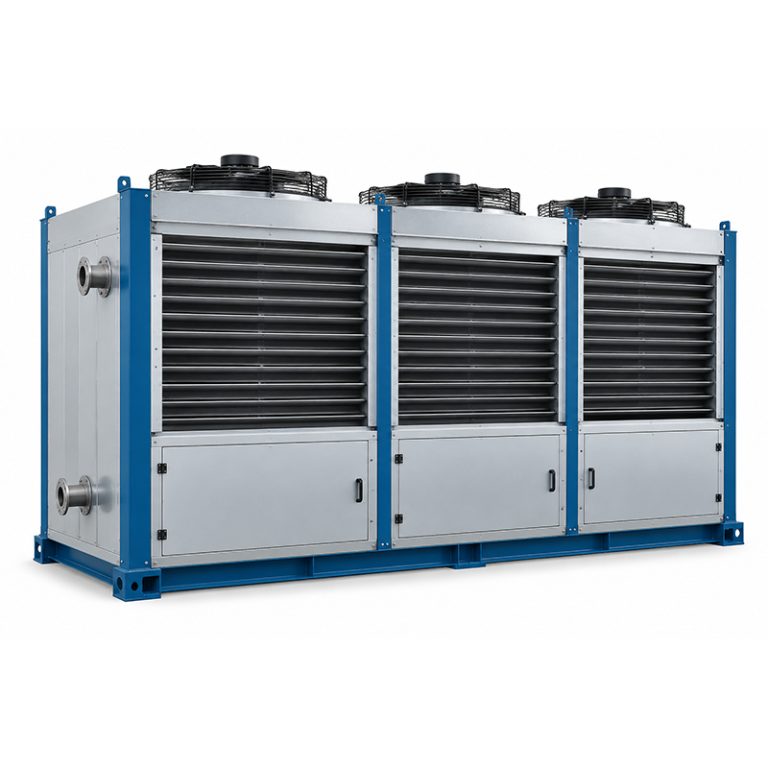
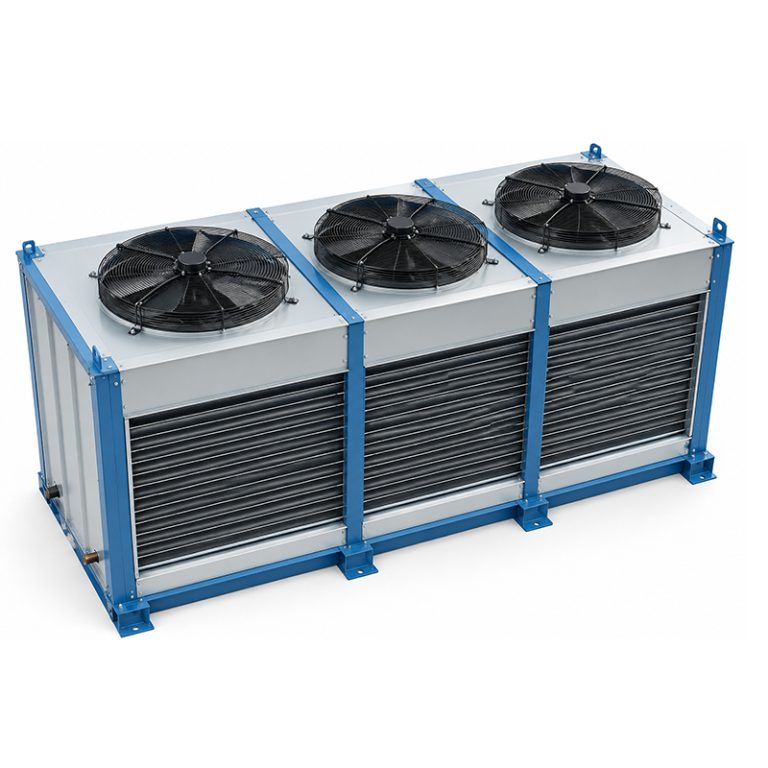
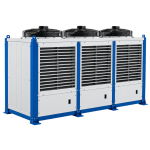
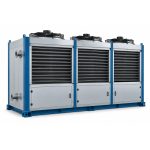
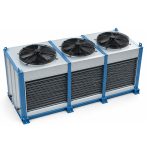
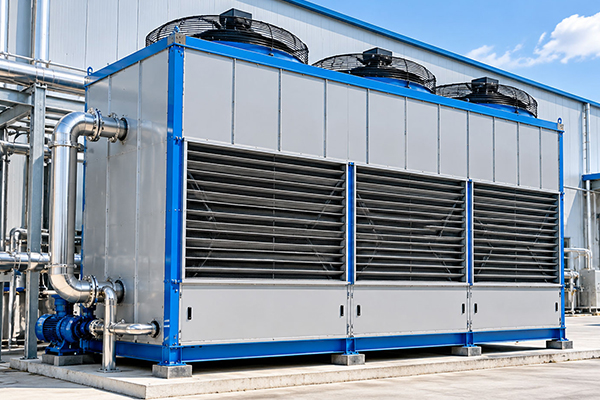
The Box Type Air Cooled Condenser features a compact cabinet design, axial fan ventilation and multiple capacity options for heat rejection in industrial refrigeration systems.

  • Nominal heat rejection Approximately 24.84–165.60 kW, converted from watt values in the source table; confirm official ratings and test conditions.
  • Axial fan configuration 1–4 fans depending on model; the source lists 380 V for fan voltage.
  • Enclosed Cabinet Construction
  • Axial Fan Airflow
  • Multiple Model Configurations
  • Accessible Service Panels
  • Flexible Installation
  • Chilled or Frozen Transport
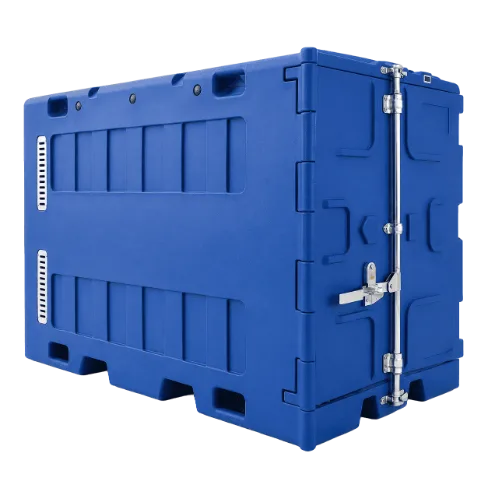
  • Portable Design
  • Power Flexibility
Box Type Air Cooled Condenser for Industrial Refrigeration Get a Quote
Overview

Box Type Air Cooled Condenser for Industrial Refrigeration Applications

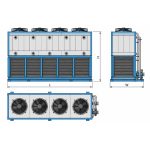
A Box Type Air Cooled Condenser is designed to reject heat from a refrigeration system through a heat exchange assembly and mechanically driven airflow. The LVB series shown in the manufacturer’s product information features a cabinet-style structure, axial fans, ventilated panels and multiple model configurations.

View Specifications
Containerized cold room being crane-lifted onto a concrete base at a distribution site
  • Cabinet-Style Equipment Design

    The enclosed cabinet organizes the heat exchange sections and supporting components within a defined equipment footprint. This structure can simplify equipment positioning and provide a consistent layout for industrial refrigeration projects.

  • Axial Fan Ventilation

    The axial fans generate airflow through the condenser’s heat exchange sections, helping transfer heat from the refrigerant side to the surrounding air. The required airflow depends on operating conditions and the selected model.

  • Heat Exchange Performance

    The heat exchange area is an important factor when evaluating heat rejection. The LVB series lists several heat exchange areas, allowing engineers to compare models against system thermal requirements. Actual performance should be verified using the manufacturer’s rated operating conditions rather than heat exchange area alone.

  • Multiple Capacity Options

    The source table lists nominal heat rejection values from approximately 24.84 kW to 165.60 kW after converting the published watt values. This range is a starting point for model comparison, subject to confirmation of original ratings and test conditions.

  • Installation and Maintenance Access

    Equipment layout should allow adequate airflow around the condenser, access to service panels and safe inspection of electrical and mechanical components. Pipe routing, mounting dimensions and maintenance clearances should be checked against approved installation drawings.

  • Applications in Refrigeration Systems

    Depending on confirmed model compatibility and operating conditions, this type of condenser may be considered for cold storage facilities, food processing plants, commercial refrigeration installations and other industrial refrigeration projects.

Specifications

Technical Specifications

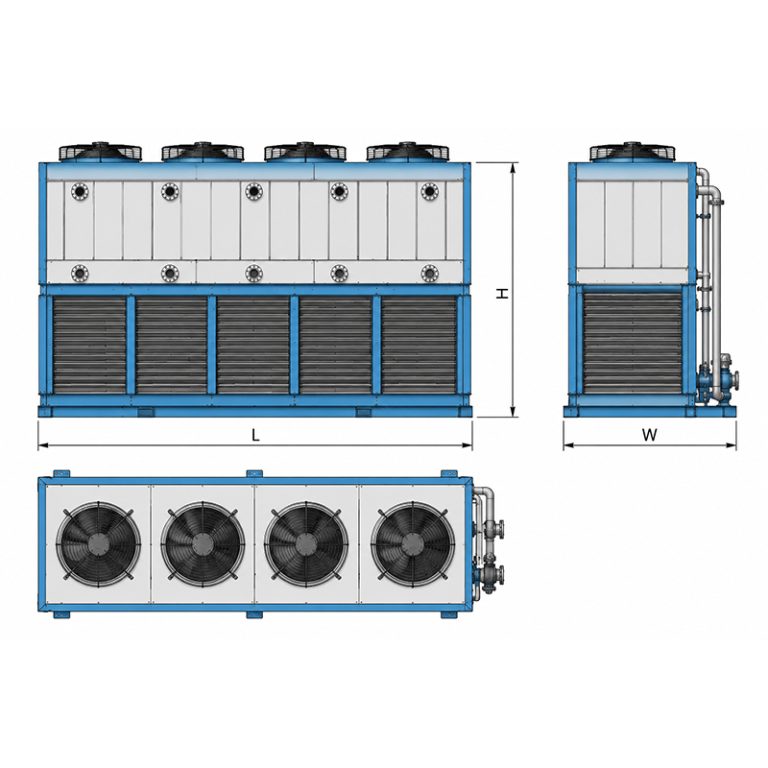
Reference configuration for the two standard sizes. Dimensions, refrigeration capacity and electrical supply are confirmed for each project in the quotation drawing.

Model

Heat Rejection (kW)*

Heat Exchange Area (m²)

Fan Diameter (mm)

Fan Qty.

Airflow (m³/h)

Fan Power (W, as listed)

Dimensions L × W × H (mm)

LVB-25/72-551

24.84

72

550

1

7,400

670

950 × 900 × 1490

LVB-30/87-601

30.102

87

600

1

9,100

825

1100 × 1000 × 1500

LVB-39/110-502

39.05

110

500

2

2 × 5300

2 × 449

1400 × 900 × 1490

LVB-45/130-552

44.85

130

550

2

2 × 7400

2 × 670

1550 × 900 × 1500

LVB-55/155-552

55.025

155

550

2

2 × 7400

2 × 670

1600 × 1000 × 1650

LVB-64/185-602

63.825

185

600

2

2 × 9100

2 × 825

1700 × 1000 × 1780

LVB-73/120-632

72.66

210

630

2

2 × 9900

2 × 937

1750 × 1000 × 1880

LVB-83/240-553

82.80

240

550

3

3 × 7400

3 × 670

2470 × 1000 × 1680

LVB-93/270-603

93.42

270

600

3

3 × 9100

3 × 825

2710 × 1000 × 1680

LVB-104/300-633

103.80

300

630

3

3 × 9900

3 × 937

2710 × 1000 × 1780

LVB-111/320-633

111.04

320

630

3

3 × 9900

3 × 937

2890 × 1000 × 1780

LVB-125/360-713

124.56

360

710

3

3 × 12650

3 × 1494

2890 × 1175 × 1880

LVB-138/400-634

138.40

400

630

4

4 × 9900

4 × 937

3530 × 1000 × 1780

LVB-166/480-714

165.60

480

710

4

4 × 12650

4 × 1494

3770 × 1175 × 1880

Configurations

Configured Around
What You Store

Choose the temperature version first, then add the upgrades your site and product need. Every option is built and tested in the factory, not retrofitted on site.

  • 0 → +15 °C

    Chilled Storage

    Fruit, vegetables, flowers, dairy and beverages — humidity-friendly air distribution.

    01
  • −18 → −25 °C

    Frozen Storage

    Meat, seafood, ice cream and frozen food, with heated door frames and pressure relief.

    02
  • Down to −40 °C

    Blast Freezer

    High-capacity unit and airflow for fast pull-down of fresh product to core temperature.

    03
  • Chill + Freeze

    Dual-Zone Room

    An insulated partition splits a 40HQ into two rooms, each with its own refrigeration.

    04
For an Accurate Quotation, Please Provide:

Based on this information, the cold storage box and refrigeration configuration can be matched to the buyer’s vehicle and operating conditions.

  • Required internal or external box dimensions
  • Required storage temperature
  • Type of products to be transported
  • Vehicle type and cargo area dimensions
  • Required quantity
  • Available power supply
  • Daily operating time
  • Local ambient temperature
  • Required battery or solar configuration

Applications

Where It Works Best

The Portable Cold Storage Box for Tricycles, Vans & Pickup Trucks is suitable for transporting and storing temperature-sensitive products such as:

How We Deliver

From Inquiry to Cold Storage

  1. 01

    Requirement Review

    Product, target temperature, daily loading and site power supply.

  2. 02

    Design & Quotation

    Heat-load calculation, layout drawing and a configured quotation.

  3. 03

    Production & Testing

    Built in our factory and pull-down tested before it is released.

  4. 04

    Shipping & Documents

    Ships as a standard container with export and customs paperwork.

  5. 05

    Start-Up Support

    Remote commissioning guidance and long-term spare parts supply.

FAQ

Frequently Asked Questions

  • What is a box type air cooled condenser?

    A box type air cooled condenser is a cabinet-style heat rejection unit that uses a heat exchange assembly and fans to transfer heat from a refrigeration system to ambient air. Its configuration and capacity depend on the model.

  • What capacity options are available in the LVB series?

    The source table lists nominal heat rejection figures ranging from approximately 24.84 kW to 165.60 kW after converting the published watt values. Buyers should confirm official ratings and test conditions before selecting a model.

  • How many fans does the condenser use?

    The published LVB models have one, two, three or four fans, depending on configuration. Fan diameter, airflow and power also vary by model.

  • What information is needed to select a condenser?

    Provide the refrigerant type, required heat rejection, condensing temperature, design ambient temperature, electrical supply and installation dimensions. The manufacturer can then evaluate a suitable configuration.

  • Can this condenser be used for cold storage?

    It may be suitable for a cold storage refrigeration system if the model’s capacity, refrigerant compatibility and operating conditions meet the project requirements. Final suitability should be confirmed by the equipment supplier.

Start Your Project

Tell Us What You Store.
We'll Engineer the Cold.

Send your storage temperature, room size and location — our engineers reply with a configured solution and quotation within 24 hours.



  • Free Equipment Selection

  • Custom System Design

  • Response Within 24 h