
Overview
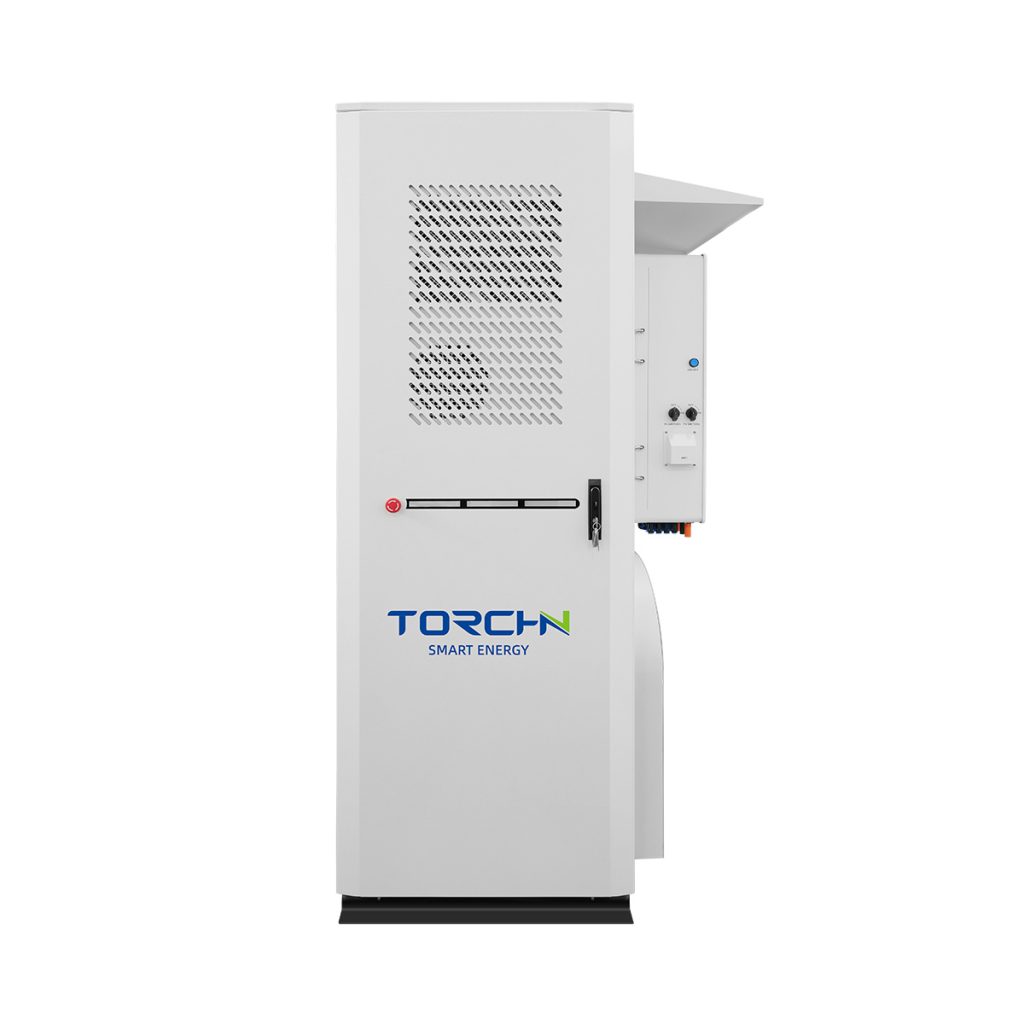
B04 Outdoor Battery Energy Storage Cabinet – B04-112
View Specifications
B04 Outdoor Battery Energy Storage Cabinet – B04-112
Models: B04-112.

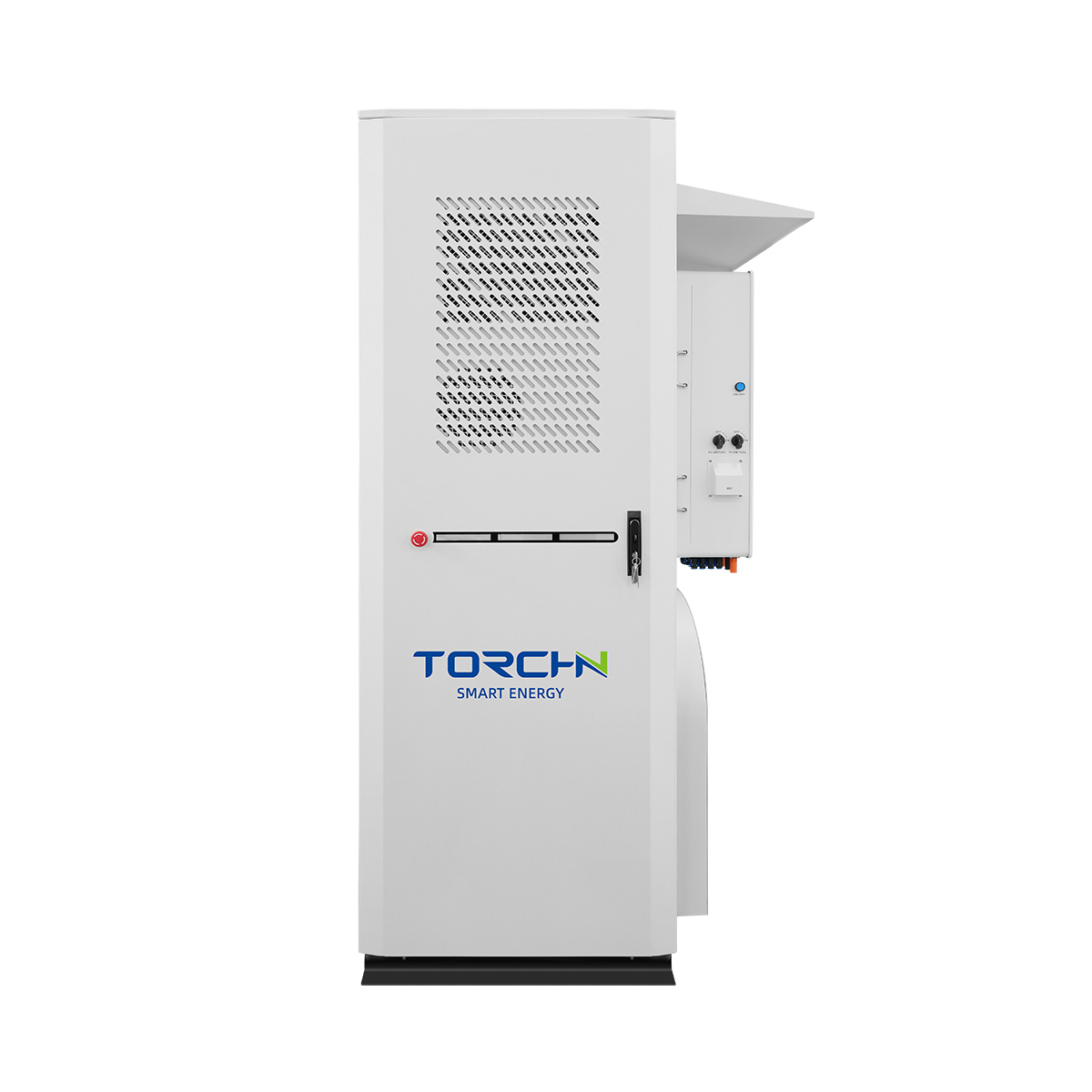
B04 Outdoor Battery Energy Storage Cabinet – B04-112.


Models: B04-112.

The compressor raises refrigerant pressure and temperature. The condenser releases heat to ambient air, the expansion valve reduces refrigerant pressure, and the evaporator absorbs heat from the water circuit.

Fans move ambient air through the condenser coil. The airflow carries heat away as the refrigerant condenses. Adequate ventilation and clearance around the unit help support stable operation.

In the evaporator, heat moves from circulating water to the refrigerant. The cooled water can then be supplied to compatible process equipment or other cooling loads.

Model selection should account for cooling load, water temperatures, flow rate, ambient design conditions, power supply, and installation space. These inputs help avoid choosing an undersized or unsuitable unit.
Install the chiller on a suitable foundation with sufficient airflow and service access. Routine inspection of the condenser coil, fans, water circuit, electrical connections, and safety controls helps maintain reliable operation.

Reference configuration for the two standard sizes. Dimensions, refrigeration capacity and electrical supply are confirmed for each project in the quotation drawing.
Model
Specification
B04-112
Modules / nominal energy 7 modules; 112.53 kWh nominal system energy | System voltage / range 358.4 Vdc; 313.6–408.8 V | Charge / discharge rate Max. 0.5C | Dimensions / weight 1,200 (incl. inverter) × 1,290 × 2,200 mm; 1,220 kg (incl. inverter)


The Portable Cold Storage Box for Tricycles, Vans & Pickup Trucks is suitable for transporting and storing temperature-sensitive products such as:
Product, target temperature, daily loading and site power supply.
Heat-load calculation, layout drawing and a configured quotation.
Built in our factory and pull-down tested before it is released.
Ships as a standard container with export and customs paperwork.
Remote commissioning guidance and long-term spare parts supply.

It transfers heat from circulating water to a refrigerant in the evaporator. The compressor circulates and raises the pressure of the refrigerant, and the air-cooled condenser releases the absorbed heat into ambient air.
No. It rejects heat through a condenser coil and fans, so a cooling tower is not required. The unit still needs suitable airflow and installation clearance.
Provide the required cooling capacity, water inlet and outlet temperatures, water flow rate, ambient design temperature, power supply, installation environment, and process details.
It may be suitable when its capacity, water temperatures, flow rate, and operating range match the application. Confirm these requirements with the supplier before ordering.
Maintenance commonly includes checking and cleaning the condenser coil, inspecting fan operation, checking water flow and strainers, reviewing electrical connections, and verifying safety controls in line with the manufacturer’s instructions.
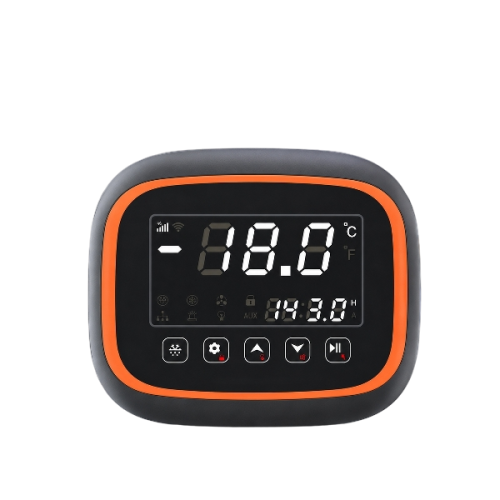
Remotely view temperatures, monitor energy consumption, detect anomalies early, reduce on-site inspections, and support various national voltages as well as complex cold storage systems.
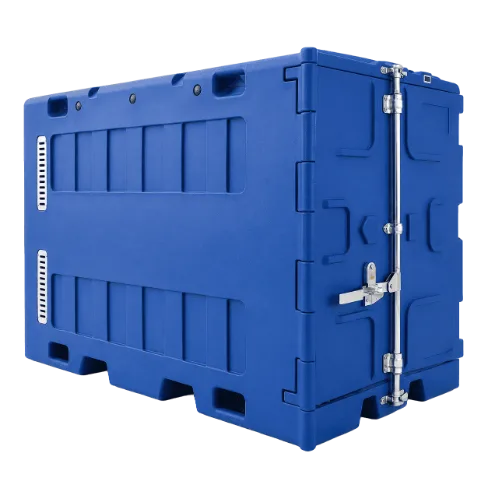
20FT & 40HQ plug-and-run cold storage, delivered assembled with an integrated refrigeration system.
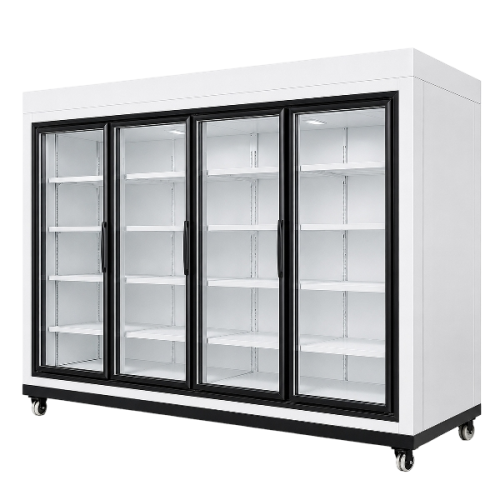
Raxlyn Smart Glass Door Cold Room combines retail display and bulk storage. Anti-fog glass doors and B1 insulation panels deliver 13–26% energy saving, with intelligent refrigeration, remote control and customizable dual temperature zones.
Send your storage temperature, room size and location — our engineers reply with a configured solution and quotation within 24 hours.

Arabic

English

French

German

Indonesian

Italian

Portuguese

Russian

Spanish

Turkish

Vietnamese


